
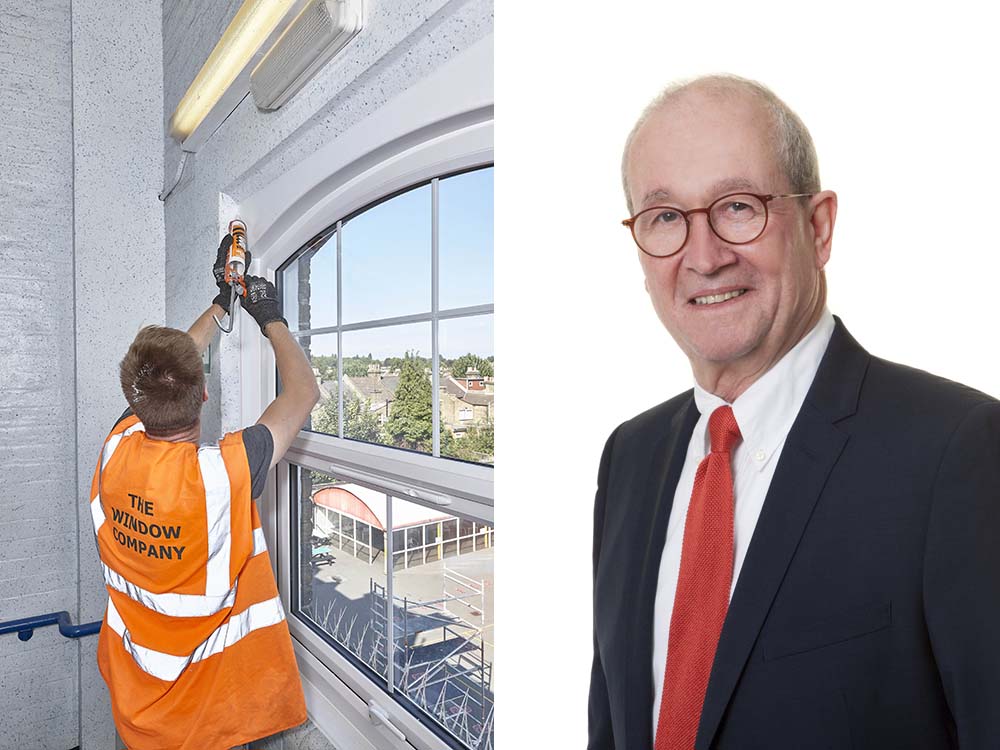
A couple of months ago I wrote a commentary on the perilous skills shortage facing this industry and appealing to employers to invest more in training so that we can upskill our collective workforce. I had lots of support from other companies facing the same issues as The Window Company (Contracts) when it comes to recruiting enough skilled fitters to work on both commercial and domestic contracts.
We obviously need to attract talent into the industry – particularly given our ageing workforce and the number of skilled migrants who have returned home either because of Brexit or the pandemic – but we also need to address what we do with that talent once it is here.
The most obvious route of course is apprenticeships, and there are two clearly defined Level 2 options already out there for Fenestration Installers and Fenestration Fabricators.
A huge amount of work went into creating these new apprenticeship standards before they went live in August 2020 – and the vast majority of it was carried out by members of the industry’s own trailblazer group. Chaired by The Window Company (Contracts)’ own Director of Compliance and Administration Katie Thornton, it included representatives from PVC and aluminium systems houses, glass suppliers, fabricators, installers and industry bodies, so it’s fair to say that the content is pretty well matched with the requirements of the industry.
Unlike a simple 6-month NVQ in fabrication or installation, these apprenticeships last for a full 18-months and include what I think is just about the right balance between college and on the job training. They cover all the knowledge, skills and behaviours that we, as an installation business, need from new recruits.
In principle then, they provide a solution to part of the industry’s problem, but they still only attract a maximum of £6000 in government funding and the starting rate of pay for the first year is just £4.30 per hour. As I’ve said previously, this just isn’t appealing enough in today’s highly competitive market.
In my view, employers in both fabrication and installation should look towards embracing the apprenticeship standards but, at the same time, invest their own money in paying recruits a real living wage and set out a clear path for them towards career progression. Crucially of course, they also need to invest in allowing existing members of their team the time to spend with new recruits sharing their knowledge and skills, because this is where some of the most valuable learning takes place. There are simply no cheap answers to this problem and no quick fixes.
Over recent months, I’ve learned that the word ‘apprenticeship’ is actually a ‘protected term’ which means it can only be used to describe a government funded apprenticeship and doesn’t extend to any other type of training programme.
However, that doesn’t mean that employers can’t continue to create their own ‘traineeships’ if they choose to deliver any specific skills they need, which replicate the rigour and ambition of the trailblazer programme – they just can’t use the term ‘apprenticeship’ apparently.
I am of the view though that we can embrace all kinds of routes into the industry and invest in all kinds of high-quality training, as long as we share the same commitment to recruiting, rewarding and then retaining the very best talent.
There is always going to be a risk that you can spend years training an employee only for them to leave and join one of your competitors but, while the current skills shortage still persists, that it something which we all have to accept and live with.
A better trained and better qualified workforce is good for the whole of the industry and not just for individual businesses. If we can upskill collectively, then, in the long term, we will all share the benefits collectively as well.